


Not every plumbing leak leaves a puddle or causes a noticeable increase in your water bill. Some develop behind walls, beneath floors, or underground, going unnoticed until damage begins to appear.
While smart water meters have helped many Austin homeowners catch leaks earlier, they don't detect every plumbing problem. Drain leaks, intermittent water loss, and properties with shared meters can present different challenges.
Here's what homeowners should know about hidden plumbing leaks, the warning signs worth watching for, and when professional leak detection makes sense.
Why Some Plumbing Leaks Go Undetected
Smart water meters are valuable tools, particularly for detecting continuous water loss from running toilets, leaking water lines, or underground water service lines.
However, some homes and condominiums share a water meter, making unusual consumption harder to trace to an individual unit. Small or intermittent leaks may also go unnoticed or fail to trigger an alert.
Then there are drain leaks, which are a different situation entirely.
A cracked drainpipe, leaking shower drain, or failed connection beneath a sink can allow wastewater to escape every time the fixture is used. Because that water has already been measured as normal fixture usage, a leaking drain typically won't cause an increase in metered water consumption.
This means a homeowner can have a normal water bill while a hidden drain leak causes damage to cabinets, flooring, or walls.
Hidden Leaks Can Happen in New Homes, Too
It's easy to associate plumbing leaks with older homes and worn-out pipes, but newer construction can experience hidden plumbing failures as well.
During construction or remodeling, a nail, screw, or staple can accidentally penetrate a water line concealed inside a wall. Sometimes the fastener remains lodged in the pipe, limiting the leak enough that nobody notices.
Over time, corrosion or movement can compromise that seal, allowing a leak to develop.
Other problems, including poorly installed fittings, damaged piping, and excessive water pressure, can also contribute to leaks regardless of a home's age.
Older plumbing presents its own challenges, especially when corrosion or deteriorating materials begin causing repeated failures.
The important point is that a plumbing system doesn't have to be old to develop a hidden leak.
Warning Signs You Shouldn't Ignore
Even when there isn't an obvious leak or utility notification, your home may provide clues that something is wrong.
Watch for:
- Water stains or bubbling paint on walls and ceilings.
- Musty odors or damp cabinets, particularly near bathrooms and kitchens.
- Warped flooring or swollen baseboards where moisture may be accumulating.
- Warm spots on flooring, which can sometimes indicate a leaking hot water line beneath a slab.
- Unexplained wet areas in the yard, potentially caused by underground plumbing problems.
- Unusual water usage or running-water sounds when fixtures aren't being used.
Not every one of these symptoms means you have a plumbing leak. Roof leaks, condensation, and failed shower waterproofing can produce similar damage.
That's why identifying the actual source is important before making repairs.
Why Proper Leak Detection Matters
Finding a hidden leak isn't always as simple as locating the wet spot.
Water can travel along framing, pipes, and other building materials before becoming visible. A ceiling stain beneath an upstairs bathroom, for example, could come from a water supply connection, a drain, or the shower itself.
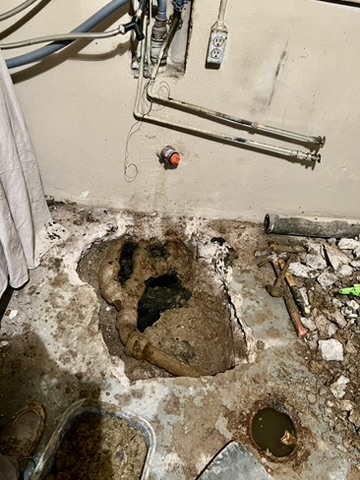
Professional leak detection helps determine the actual source and the repairs needed. Depending on the situation, this may involve opening walls, accessing plumbing beneath floors, or excavating underground lines.
Once the problem is identified, a localized repair may be sufficient. However, repeated leaks or deteriorating piping can sometimes make replacement or rerouting the better long-term option.
The right recommendation depends on the condition of the plumbing, not simply where the water happens to appear.
Plumbing Leak Detection and Repair in Austin, TX
Whether you're dealing with an unexpected water usage alert, unexplained moisture, a leaking drain, or a suspected slab leak, the first step is finding out what's actually causing the problem.
At PlumbAZING, we help homeowners throughout Austin and surrounding Central Texas communities identify plumbing leaks and determine the appropriate repair. We focus on straightforward explanations, quality repairs, and recommending only the work your plumbing actually needs.
Concerned about a hidden plumbing leak?
New customers receive $50 off their first qualifying service.