


Is your home's water pressure suddenly too high, unusually low, or constantly changing? The problem could be your pressure reducing valve.
A pressure reducing valve (PRV), also called a water pressure regulator, controls the pressure entering your home's plumbing system. When it begins to fail, it can allow too much pressure through, restrict water flow, or struggle to maintain consistent pressure throughout the house.
Here in Austin, many PRVs are installed underground near the water meter, where homeowners rarely see or think about them. At PlumbAZING, we regularly encounter failing regulators while diagnosing water pressure problems, recurring leaks, and other plumbing issues.
Knowing what to look for can help you catch a failing PRV before it leads to more expensive repairs. Here's how to recognize the warning signs, check your water pressure, and determine when a replacement makes sense.
What Does a Pressure Reducing Valve Do?
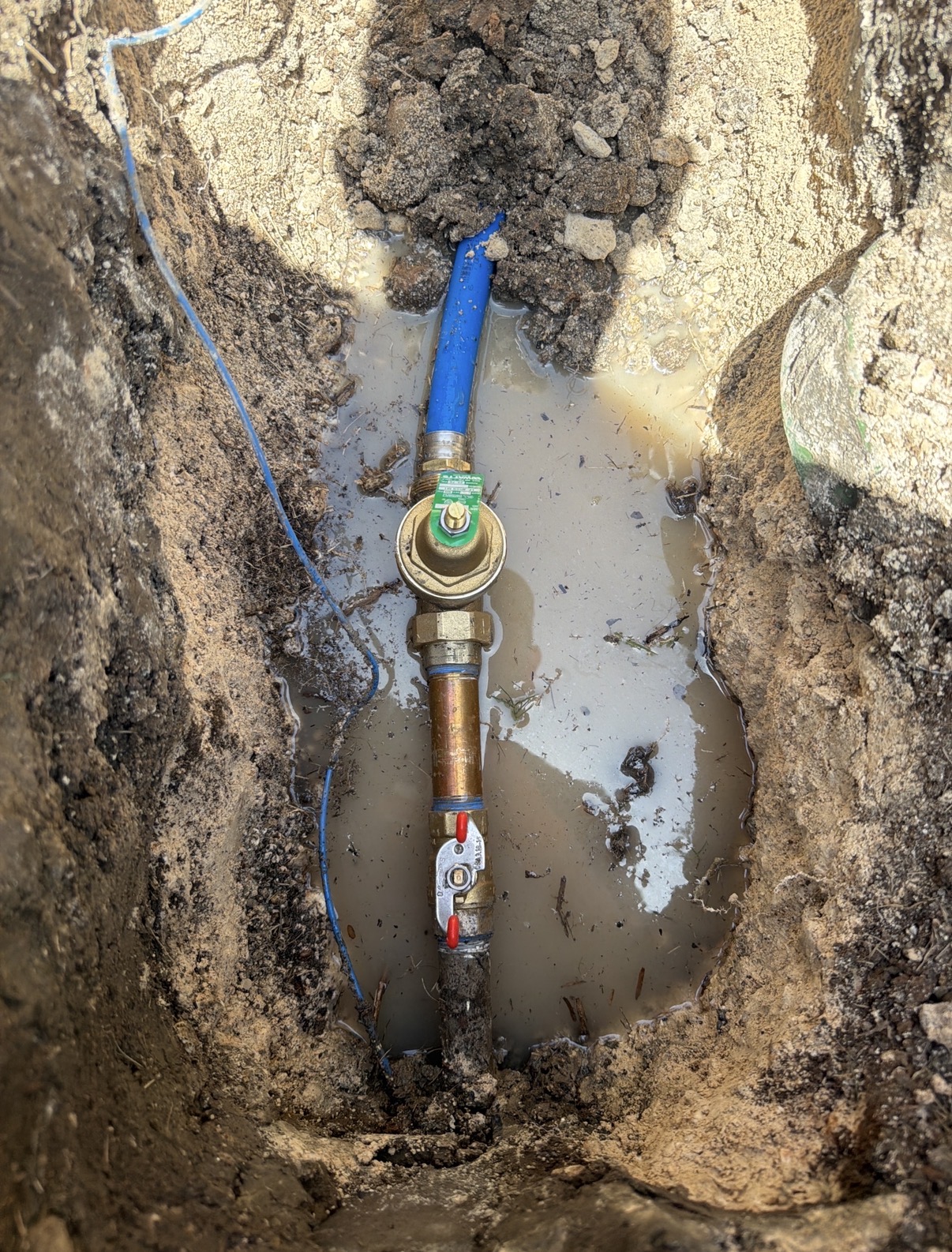
A pressure reducing valve (PRV) is a bell-shaped brass valve installed on your home's main water line. Inside, a spring and diaphragm work together to reduce incoming water pressure and maintain a consistent level throughout your plumbing system.
Austin's uneven terrain requires higher water pressure to serve elevated neighborhoods, which can leave lower-lying homes receiving more pressure than they need. Combined with the city's rapid growth and ongoing infrastructure improvements, some homes that didn't previously need a PRV may now require one.
Most homes operate comfortably between 50–70 PSI, and standard plumbing code requires pressure regulation when incoming static water pressure exceeds 80 PSI.
Where Are PRVs Located in Austin Homes?
Many Austin-area homes have their PRVs installed underground near the water meter, protecting both the yard water line and the plumbing inside the home.
While this provides more complete protection, underground conditions can also accelerate deterioration, making the quality of the valve especially important.
If you're unsure where your PRV is located, our guide to finding your main water shutoff can help you get started.
Signs Your Pressure Reducing Valve Is Failing
A PRV can fail in two directions. Most often it stops holding pressure down and lets high pressure through. Less often it sticks closed and starves the house of pressure. Watch for:
- Banging or hammering in the pipes when a faucet, toilet, or washing machine shuts off
- A whistling, humming, or vibrating sound from the plumbing
- A water heater temperature and pressure relief valve that drips or discharges
- Toilets that run or hiss as the fill valve struggles to shut off
- Faucets and shower heads that start dripping soon after being repaired
- Leaks at supply lines, angle stops, and appliance hoses
- Washing machine, dishwasher, or ice maker valves that fail early
- Water pressure that swings between strong and weak
- Water dripping or spraying from the PRV itself
- A sudden drop in pressure throughout the whole house
One of these by itself may have another cause. Several at once usually point back to pressure.
How Do You Check Your Water Pressure?
You can test your pressure yourself with an inexpensive gauge that screws onto an outdoor hose bib, available at any hardware store.
- Turn off all water inside the house, including irrigation.
- Screw the gauge onto an outdoor hose bib connected to your home's regulated water supply.
- Open the hose bib all the way and read the gauge.
- Check again at different times of day, including late at night and early in the morning, when demand on the city system is lowest and pressure is often highest.
Most homes operate comfortably somewhere around 50 to 70 psi. If you read above 80 psi, the PRV may be either missing, set too high, or no longer working. Some gauges include a second needle that records the highest pressure reached. Leaving one of those on overnight can catch pressure spikes that a quick daytime reading misses.
Why Do PRVs Fail in Austin?
PRVs are not lifetime parts. The spring, diaphragm, and seals inside wear out with use, and Austin's water conditions speed that up.
Hard Water Buildup
Central Texas water carries a heavy load of minerals from the limestone it passes through. Over time, scale builds up inside the valve body and on the moving parts, preventing the regulator from operating smoothly. A PRV affected by mineral buildup may struggle to maintain consistent pressure, allow pressure to creep higher, or restrict water flow throughout the home.
A properly functioning PRV also helps protect downstream equipment, including your water softener and whole-home filtration system, from excessive water pressure. Learn more in our guide to water softener and carbon filter in the Austin area.
Constant High Street Pressure
The higher the incoming pressure, the harder the valve works every day. Homes with very high street pressure tend to wear through PRVs faster than homes with moderate pressure.
Debris in the Line
Sediment and debris from city line work or repairs can lodge in the valve and keep it from seating properly.
Brass vs. Composite-Top Pressure Reducing Valves
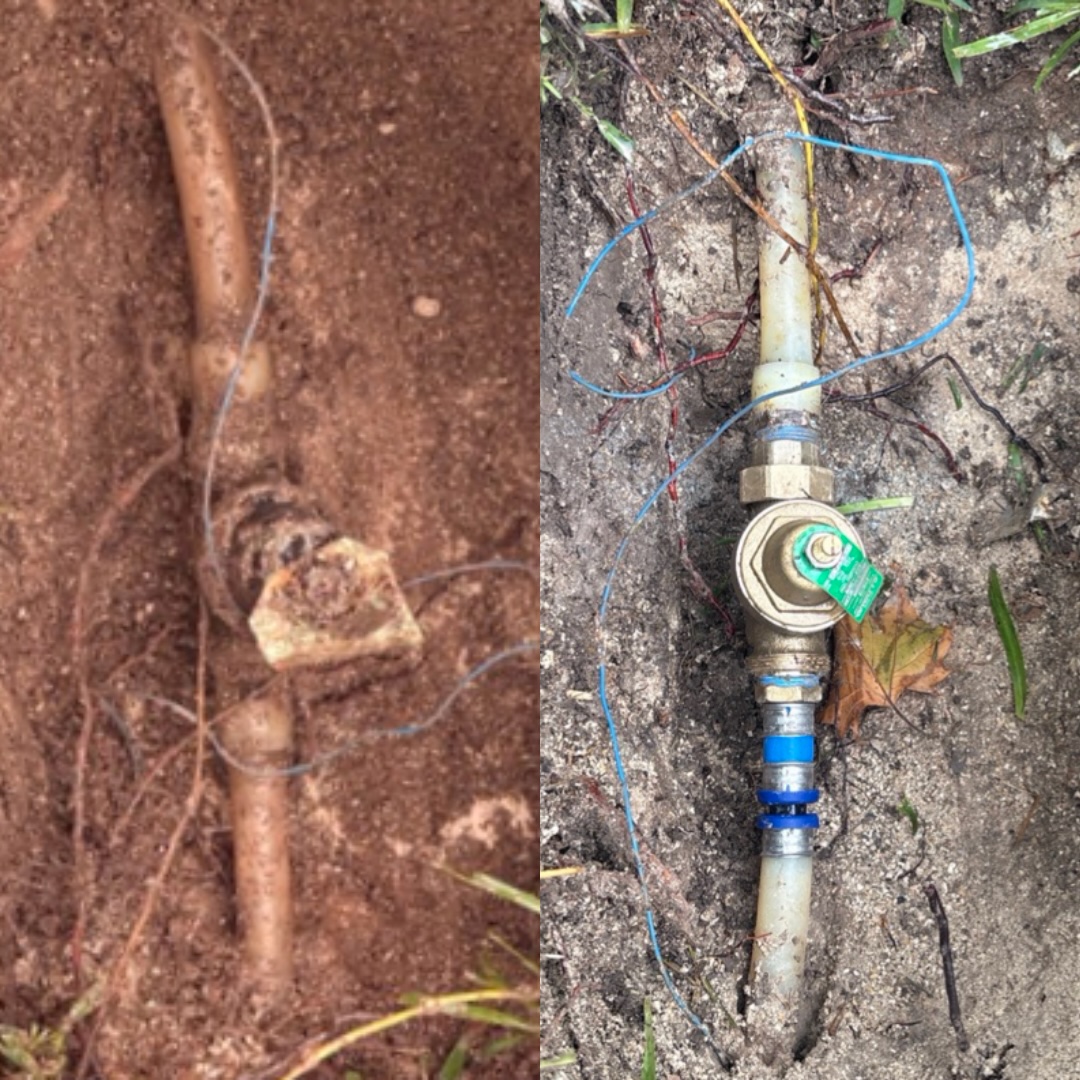
Not all pressure reducing valves are built the same. Many residential PRVs have composite (plastic) tops, while others use more durable brass construction. This difference is especially important in Austin, where many regulators are buried underground and exposed to moisture and soil conditions.
At PlumbAZING, we've seen composite-top PRVs fail in as little as two to four years, sometimes much sooner than homeowners expect. Based on our experience, we recommend quality brass-top regulators for underground installations. They tend to hold up better over time, reducing the likelihood of premature failure and another costly replacement.
Can High Water Pressure Damage a Water Heater?
Yes, and this is one of the most important reasons to keep your PRV working. High pressure strains the tank, the connections, and the temperature and pressure relief valve. A relief valve that drips is often the first sign.
A working PRV also creates what plumbers call a closed system. When your water heater heats water, that water expands, and with a PRV in place the extra volume has nowhere to go. Without a properly charged thermal expansion tank, pressure inside the plumbing climbs every time the water heater runs. That is why a PRV and an expansion tank work together, and why we check both whenever we look at a water heater or a pressure problem. Learn more about our water heater services.
Should You Adjust or Replace a PRV?
Most PRVs have an adjustment screw on top, but they're typically set during installation and shouldn't need regular adjustment. If your water pressure begins changing on its own, that can be an early sign the regulator is wearing out.
Most standard residential PRVs have an adjustable range of approximately 25–75 PSI. If your home's regulated pressure is consistently reading above 75 PSI, that's a strong indication the valve may no longer be working properly, although other causes, such as thermal expansion, should be ruled out.
If the valve won't hold its setting, the adjustment screw is seized, or the body has significant mineral buildup, replacement is generally the best solution. While some PRVs have rebuild kits available, Austin's hard water and the deterioration of internal rubber diaphragms, seals, and other components make rebuilding an aging regulator rarely worth the cost. At PlumbAZING, we recommend replacing failing PRVs rather than rebuilding them for more reliable, long-term pressure control.
You also don't have to wait for the PRV to fail completely. If your pressure is creeping up, your water heater relief valve is dripping, or fixtures are wearing out early, planning a replacement now can help you avoid an unexpected plumbing repair.
Our guide to repairing versus replacing plumbing explains how we look at that decision across the whole home.
What Happens During a PRV Replacement?
In many Austin homes, pressure reducing valves are installed underground near the water meter. Replacing one typically involves excavation to access the existing valve and main water line.
When PlumbAZING replaces a pressure reducing valve, we:
- Test the incoming water pressure and pressure inside the home.
- Excavate around the existing PRV to expose the valve and water line.
- Shut off the water, cut into the main water line, and remove the old regulator.
- Install a new, properly sized PRV. We recommend durable brass-top regulators for underground installations.
- Adjust the pressure to a safe, comfortable level and test for proper operation and leaks.
- Backfill the excavation and install an accessible valve box and cover for future maintenance.
We also check the main shutoff and thermal expansion tank for potential issues. If the shutoff is worn or no longer closes properly, replacing it while the water is already off may save an additional service visit.
Our PRV replacements are backed by a one-year parts and labor warranty, unless otherwise specified in your estimate, in addition to applicable manufacturer warranties.
PRV Installation and Water Pressure Help in Austin
PlumbAZING installs and replaces pressure reducing valves throughout Austin, Round Rock, Cedar Park, Pflugerville, Hutto, Georgetown, Buda, Kyle, Lakeway, Manor, Bee Cave, and the surrounding Central Texas area. We will test your pressure, explain what we find, and recommend what makes sense for your home. Learn more about our PRV installation service.
New customers get $50 off their first service, and estimates are free on most jobs.
Call or text PlumbAZING at (512) 888-4406 or request service online at Plumbazing.com.
Frequently Asked Questions
What are the signs of a bad pressure reducing valve?
Common signs include banging pipes, a dripping water heater relief valve, running toilets, fixtures that start leaking soon after repair, early appliance valve failures, pressure that swings between strong and weak, and water leaking from the PRV itself.
What should my home's water pressure be?
Most homes do well somewhere around 50 to 70 PSI. Under the current plumbing code, a pressure reducing valve is required when incoming static water pressure exceeds 80 PSI.
Where is the pressure reducing valve in my house?
In most Austin-area homes, the pressure reducing valve (PRV) is installed underground near the city water meter, typically inside a valve box or buried along the main water line. This location allows the PRV to regulate pressure before water travels through the underground yard line and into your home, protecting both the exterior water line and interior plumbing.
Can I adjust my pressure reducing valve myself?
Most PRVs have an adjustment screw, but they're typically set during installation and shouldn't need regular adjustment. If your water pressure begins changing on its own or the valve won't maintain its setting, it may be failing and need replacement. A licensed plumber can test the pressure and determine whether adjustment or replacement is necessary.
Does a pressure reducing valve affect my water heater?
Yes. A PRV protects the water heater from high street pressure, but it also creates a closed system. A properly charged thermal expansion tank is needed to absorb the extra volume when water heats up, or pressure inside the plumbing will climb each time the water heater runs.