


If your drain keeps clogging no matter how many times you clear it, the problem is usually not the clog itself. It is something in the pipe that keeps catching debris: buildup narrowing the line, a partial blockage further down, or damage like tree roots, a sagging section, or corroded pipe. Clearing the clog gets water moving again, but until the cause is found and fixed, the clog will keep coming back.
Recurring clogs are one of the most common reasons Austin homeowners call us. Here is what causes them, how to tell whether the problem is one drain or your main line, and when it makes more sense to fix the pipe than to keep clearing it.
One Slow Drain or Several?
The first question is how many drains are affected.
If only one sink, tub, or shower is slow, the clog is most likely in that fixture's drain or the branch line serving it. Hair, soap, grease, and food waste are the usual causes.
If several drains are slow at once, or if one fixture reacts when you use another, the blockage may be in a shared branch line or farther downstream in the main sewer line that carries wastewater out of the house. Watch for:
- Water backing up into a tub or shower when a toilet is flushed
- Gurgling from sinks or toilets when the washing machine drains
- Several fixtures draining slowly at the same time
- Sewage odors inside the house or near the yard cleanout
- Water coming up from a floor drain or the lowest drain in the house
A main line problem should be handled quickly. Once the line backs up fully, wastewater can come out of the lowest fixtures in your home. If wastewater is already backing up, stop running water, avoid flushing toilets, and pause appliances like the washing machine and dishwasher until the blockage is addressed.
Common Causes of Recurring Clogs in Austin Homes
Hard Water and Drain Buildup
Central Texas hard water can contribute to stubborn drain buildup, especially in kitchen lines where minerals combine with grease, fats, and soap residue. Over time, that buildup can narrow the pipe and create a rough surface that catches food waste and other debris. The buildup may extend beyond the kitchen branch into shared drain lines.
A properly sized water softener reduces the hardness minerals entering your plumbing and can help limit future mineral and soap-related buildup. It does not remove an existing blockage or keep grease from collecting, so keeping fats and cooking oils out of the drain still matters. Our guide on water softener and carbon filter systems explains what each part of a whole-home system does.
Grease and Food Waste
Cooking grease goes down the kitchen drain as a liquid, then cools and hardens on the inside of the pipe. Food waste sticks to it, and the buildup grows with every use. Coffee grounds, rice, pasta, eggshells, and fibrous foods like celery and onion skins add to the problem, even when they go through a garbage disposal.
Hair and Soap in Bathroom Drains
Hair combines with soap residue and collects around stoppers, inside traps, and farther down bathroom drain lines. This is a common cause of slow bathroom sinks, tubs, and showers. If the same drain keeps clogging after that buildup is removed, there may be another blockage or a pipe condition farther down the line.
Wipes and Other Items in Toilets
Wipes labeled flushable do not break down the way toilet paper does. Along with paper towels, cotton swabs, and feminine products, they snag in the line and build into a blockage over time.
Tree Roots in the Sewer Line
Roots are drawn to the moisture inside sewer lines and can work their way in through small cracks and loose joints, especially during dry stretches when they are searching for water. Once inside, they grow into a net that catches everything passing through. Clearing the roots restores flow, but they tend to grow back.
Shifting Clay Soil
Much of the Austin area sits on clay soil that shrinks during drought and swells after heavy rain. That movement can shift underground drain lines, separating joints or creating a low spot, called a belly, where waste settles instead of flowing out. A belly in the line will keep collecting debris no matter how often it is cleared.
Aging Cast Iron Drain Pipe
Many older Austin homes have cast iron drain lines. Over decades, cast iron corrodes from the inside, and the rough, flaking surface catches debris and builds up scale. Eventually the pipe can crack or wear through. If you have had cast iron drains cleared more than once, it is worth finding out what condition they are in.
What You Can Safely Try Yourself
For a single slow drain, a few simple steps often solve the problem:
- Pull the stopper or drain cover and clear any hair or debris you can reach.
- Use a cup plunger on sinks and tubs, and a flange plunger on toilets.
- Use a small plastic drain snake for hair clogs in bathroom sinks and showers.
We recommend skipping chemical drain cleaners. They often do not clear the blockage completely, they can damage older pipes, and they leave caustic chemicals sitting in the line for whoever has to clear it next. If a plunger and a hand tool do not solve it, or if more than one drain is affected, it is time to call a plumber.
How Plumbers Find the Cause
Clearing a clog and finding the cause are two different jobs. For a recurring problem, the goal is to find out why the line keeps clogging, not just to open it again.
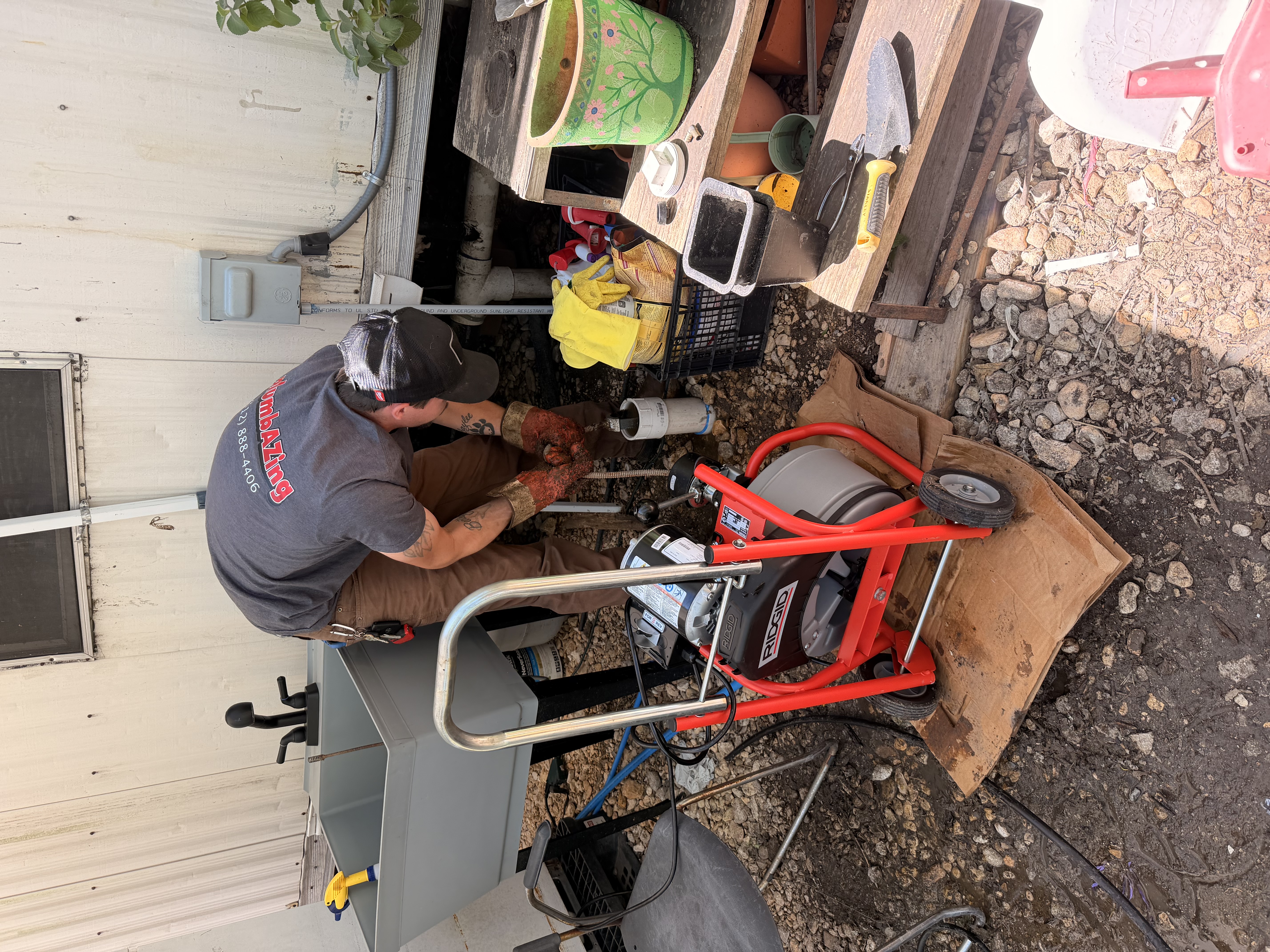
Depending on the situation, that can mean clearing the line through an accessible cleanout, checking how it drains afterward, and running a camera through the pipe when needed. A camera inspection can reveal roots, visible damage, standing water, and heavy buildup. When combined with locating equipment, it can also help pinpoint the affected section so we can explain the repair options.
Clear It Again or Repair the Line?
If a drain clogged once because of something that went down it, clearing it is usually all you need. Even with recurring clogs, the right solution depends on what is causing them and the condition of the pipe. Thorough cleaning may resolve accumulated buildup, while damaged or sagging pipe may need repair or replacement.
When the same line keeps clogging, the cheapest option today is not always the least expensive option over time. Repeated service calls add up, and each backup brings the risk of water damage and cleanup. If the line has root intrusion, a belly, cracked or corroded pipe, or joints that have separated, repairing or replacing the damaged section offers better value than clearing the same blockage again and again.
You also do not have to wait for a full backup. If your drains are slowing down more often, planning the repair now gives you time to make a decision instead of making it during an emergency. Our guide on when to repair or replace plumbing explains how we look at that decision.
A drain that keeps clogging can also hide a leak. A cracked drain line can let wastewater escape every time the fixture is used without changing your water bill. Our guide to hidden plumbing leaks in Austin covers the warning signs.
How to Prevent Drain Clogs
- Pour cooking grease into a container and throw it away instead of rinsing it down the sink.
- Scrape plates into the trash before rinsing, and keep coffee grounds, rice, pasta, and fibrous foods out of the disposal.
- Run cold water while the disposal is on and for a few seconds after.
- Use hair catchers in showers and tubs, and clean them regularly.
- Flush only toilet paper. Throw wipes away, even ones labeled flushable.
- Pay attention to slow drains. A drain that is slowing down is giving you an early warning.
If your garbage disposal is worn out, jams often, or leaks, a replacement is usually the better value. Disposals with stainless steel grinding components hold up better against rust in Austin's hard water.
Drain Cleaning in Austin
PlumbAZING clears slow drains, recurring clogs, and main line backups throughout Austin, Round Rock, Cedar Park, Pflugerville, Hutto, Georgetown, Buda, Kyle, Lakeway, Manor, Bee Cave, and the surrounding Central Texas area. We will find out what is causing the problem, explain what we see, and tell you whether clearing the line will do the job or whether a repair is the better value for your home. Learn more about our drain cleaning service.
New customers get $50 off their first service, and estimates are free on most jobs.
Call or text PlumbAZING at (512) 888-4406 or request service online at Plumbazing.com.
Frequently Asked Questions
Why does my drain keep clogging?
Recurring clogs usually mean something in the pipe keeps catching debris. Common causes include hard water scale and grease narrowing the line, tree roots, a sagging section of pipe, and corroded cast iron. Clearing the clog restores flow, but the clog will keep coming back until the cause is fixed.
How do I know if my main drain line is clogged?
Several drains slowing down at once, water backing up into a tub or shower when a toilet is flushed, and gurgling when the washing machine drains can indicate a blockage in a shared branch or main sewer line. An inspection can help determine where the blockage is. If wastewater is backing up, stop using water and call a plumber.
Are chemical drain cleaners safe for my pipes?
We recommend avoiding them. Chemical drain cleaners often do not fully clear the blockage, they can damage older pipes, and they leave caustic chemicals in the line. A plunger or a hand drain snake is a safer first step for a single slow drain.
Can tree roots get into my sewer line?
Yes. Roots are drawn to the moisture in sewer lines and can enter through small cracks and loose joints. Once inside, they catch debris and cause recurring clogs. Clearing them restores flow, but they tend to grow back until the damaged section is repaired.
Should I call a plumber for a slow drain before it backs up?
Yes. A slow drain is often an early warning sign. Handling it early can help you avoid a full backup, water damage, and a more urgent repair later.